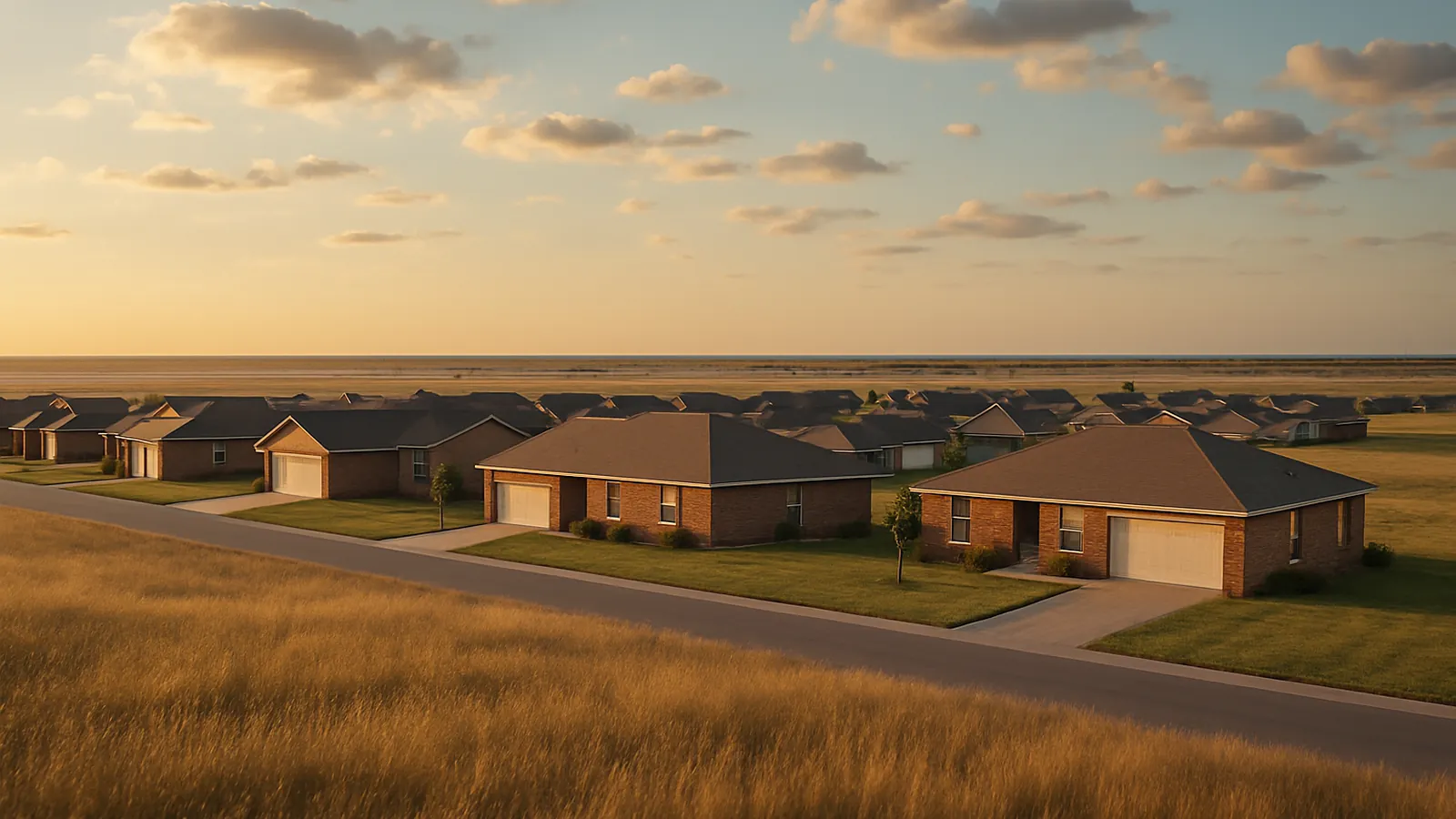
Foundation repair in Prairie Grove runs $4,000–$15,000, and about 47.2 inches of precipitation a year is the driver. Concentrated water on Ozark ground carries soil into limestone fractures and removes bearing. Drainage and structural work are priced separately.
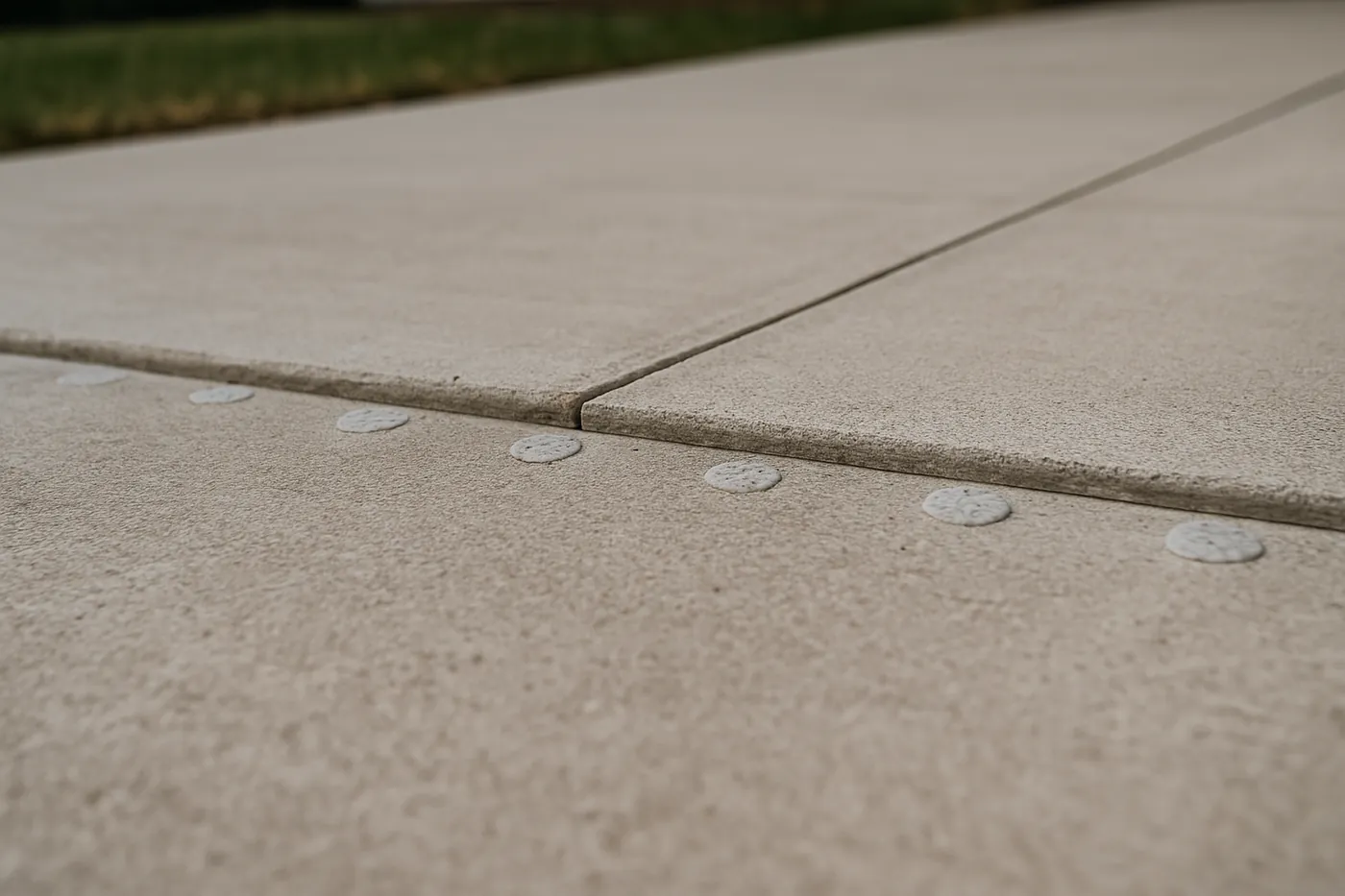
The name describes the soil
Prairie Grove sits on the open ground its name refers to, southwest of Fayetteville. Prairie soils behave differently from the thin cover over limestone found on the uplands: there is generally more of it, it holds moisture differently, and where clay content is high it participates in the seasonal wet-dry cycle rather than washing away.
Practically, that shifts what we look for. Instead of hunting for lost support, the first question on many Prairie Grove houses is whether the movement reverses. Reversing movement is a moisture problem. Movement that only goes one direction is a bearing problem, and the repairs are not interchangeable.
Older housing near the historic core
Homes in and around the older part of town carry the usual older-house variables: shallow original footings, additions built to a different standard than the original structure, and grading that successive owners have altered without anyone tracking the cumulative effect.
Additions are worth singling out, because an addition on its own footing frequently moves independently of the house it is attached to. The crack at that junction is often the first thing an owner notices. Helical piers are commonly the right answer there, since a light addition cannot supply the reaction weight a driven pier needs.
Asked in Prairie Grove
How much does foundation repair cost in Prairie Grove?
Most repairs run $4,000-$15,000, piers commonly $1,200-$3,000 each. Older homes near the historic core sometimes need less than owners expect because the movement is old and stable rather than active. Dated crack measurements over a few months are what distinguish finished movement from ongoing movement.
The crack is at the addition. Why there?
Because an addition usually sits on its own footing and moves independently of the original house. The junction between two structures with different footings, different ages, and different loads is where the difference shows up. It is a common Prairie Grove complaint and it is fixable.
Can you support an addition without piering the whole house?
We can support an addition without piering the whole house, and that is often the correct scope. If elevations show the original structure is stable and only the addition has dropped, supporting the addition is the repair. Helical piers suit this well because light additions cannot supply the reaction weight a driven pier needs.
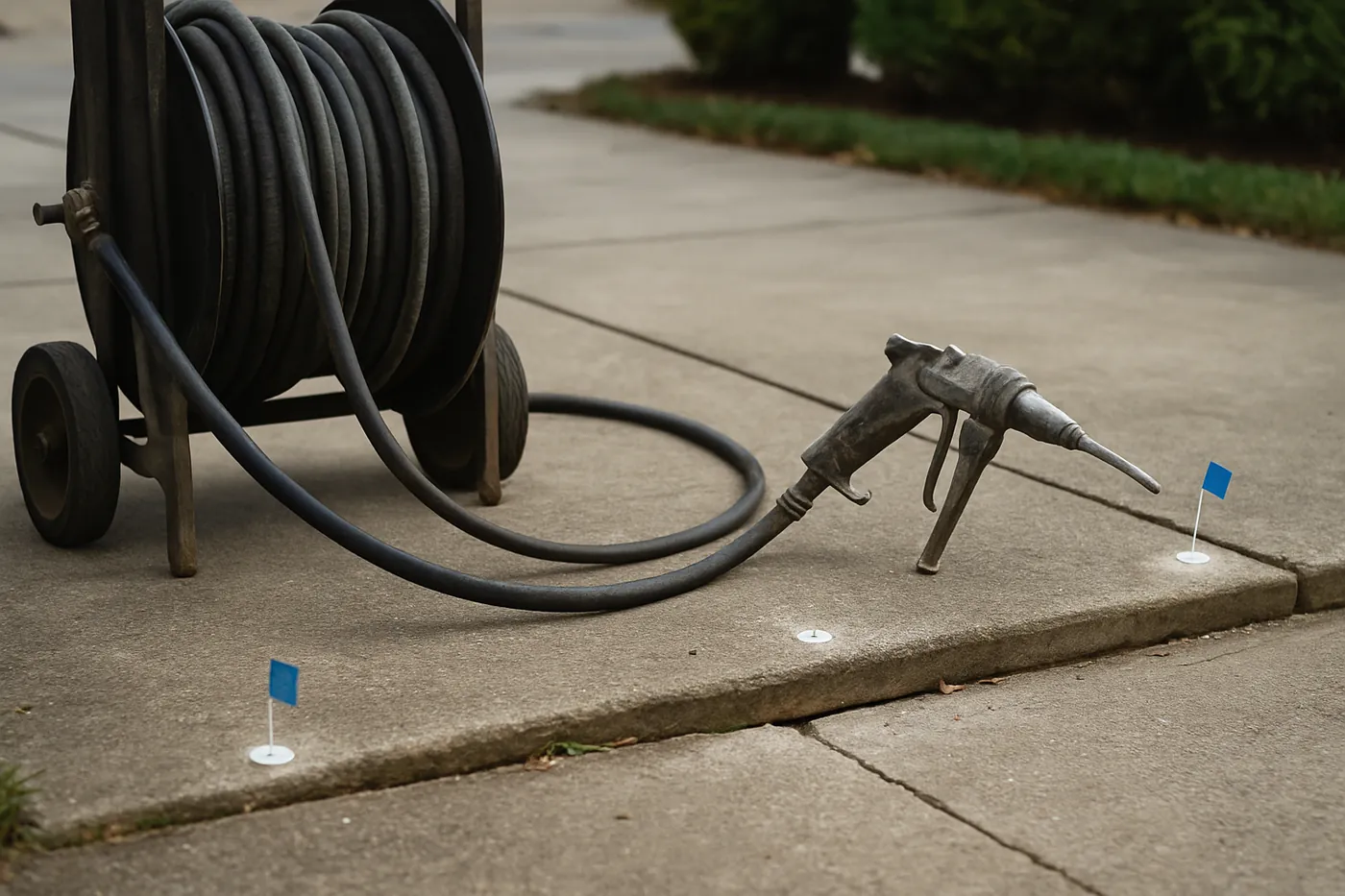
Free evaluation in Prairie Grove and across Northwest Arkansas
No charge for the visit, the elevation survey, or the written scope. If the readings are flat and your cracks have not moved through a full wet-and-dry cycle, that is what the report will say — and on this ground, knowing that is worth an hour.
Get a free Fayetteville foundation evaluation
Tell us what the house is doing — a crack that keeps growing, a door that quit latching, a floor that dips toward one corner — and we’ll schedule an evaluation with floor elevation readings and photos. We reply the same business day.